Grumpy Snowman Christmas Clipart Review
As a designer who has spent years translating digital art into stitched reality, I approach every new asset with a mix of curiosity and skepticism. We have all seen the endless parade of cheerful, rosy-cheeked holiday characters that dominate the seasonal market. But there is a specific niche for designs that offer a bit more personality, a touch of humor, and a distinct visual edge. This is where Grumpy Snowman Christmas Clipart catches my eye. It is not just another snowman; it is a character-driven piece that demands to be evaluated not just on how it looks on a screen, but on how it behaves under the needle.
I recently pulled this design from the Illustrations category to test its viability for a custom client project: a batch of personalized aprons for a holiday baking competition and a series of boutique tote bags for a local craft fair. My goal was to determine if this machine embroidery design could hold up in real-world production while maintaining the high standards expected by savvy buyers on platforms like Etsy or in physical pop-up shops.
First Impressions and Visual Personality
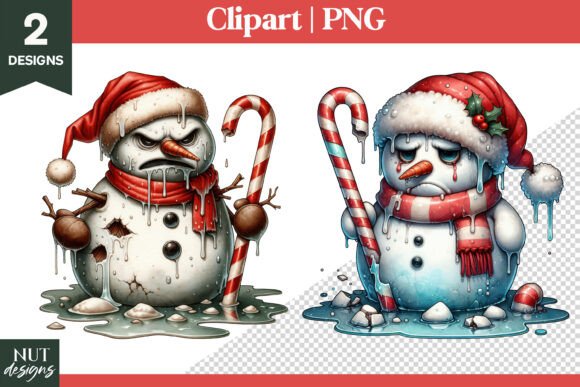
The immediate draw of this embroidery file is its attitude. In a sea of generic cheer, the grumpy expression provides a striking contrast. Visually, the character reads clearly even at a glance. The mood is playful yet slightly sardonic, which resonates strongly with modern consumers who appreciate wit in their handmade product selections. For an Etsy seller or small shop product owner, this kind of unique personality can be the deciding factor in a customer’s click-through rate.
From a layout perspective, the composition feels balanced. It does not rely on excessive clutter to make its point. This simplicity is crucial when converting digital art into physical form. The negative space around the character allows for clean placement on various garments and accessories without feeling cramped. Whether intended as a standalone embroidery project or part of a larger scene, the design anchors itself well. It feels like a piece that belongs in a contemporary winter collection rather than a traditional, stuffy holiday display.
Performance in Real-World Embroidery Scenarios
When evaluating any design assets, the true test is execution. I ran several tests using this design on different substrates to see how it translated into thread. On a sturdy cotton canvas for the tote bag design application, the lines remained crisp. The character’s features did not get lost, which is often a risk with detailed facial expressions.
For sweatshirt embroidery, the design performed admirably. The texture of the fleece provided a soft backdrop that allowed the thread colors to pop. I found that the design works particularly well as a chest-sized placement or centered back print. It adds a focal point without overwhelming the garment. Similarly, for baby embroidery items, such as muslin blankets or hooded towels, the slightly edgy theme offers a refreshing alternative to the usual pastel-only options, appealing to parents who want something fun and non-traditional.
In terms of commercial embroidery potential, this design has strong merit. It fits seamlessly into holiday embroidery collections that aim to capture a broader demographic. Customers are increasingly looking for personalized gift ideas that reflect their own sense of humor, and a grumpy snowman delivers exactly that. It serves as excellent design assets for creating cohesive brand identities for boutiques that specialize in witty, seasonal merchandise.
Where Caution Is Required
No design is perfect for every surface, and I must highlight areas where this digital embroidery file requires careful handling. First, consider the hoop size. If you attempt to digitize or use this design in a very small hoop, you risk losing the subtle nuances of the grumpy expression. The eyes and mouth need enough room to breathe. Compressing them too much will result in a blobby, indistinct face.
Fabric choice is equally critical. While it looks great on stable fabrics like denim or heavy cotton, I would advise against using this on highly textured fabrics, thin sheers, or stretchy knits without proper stabilization. The tension required to render the details might cause puckering on delicate materials. Furthermore, dark fabrics present a challenge. If you do not have a contrasting white or light-colored thread available for the base, the character may disappear into the background. Always inspect small details before committing to a full production run.
Another area to watch is stitch density. If the underlying digitization uses too dense a fill stitch, the fabric may become stiff and uncomfortable, especially on custom apparel like t-shirts or baby clothes. A lighter touch often yields a higher-quality feel. Also, be mindful of curved surfaces like caps or hats. While possible, placing a rectangular or wide character on a curved brim can distort the image. Flat surfaces like aprons, pillow covers, and tea towels remain the safest and most visually appealing applications.
Practical Designer Notes for Success
To ensure your finished product meets professional standards, I recommend following a strict pre-production checklist. Start by testing the design on scrap fabric that matches your final substrate. This helps you gauge how the fabric texture interacts with the thread. Check the contrast between your chosen thread colors and the background. A quick trick is to view your mockup in black and white; if the design loses definition, your color palette needs adjustment.
Review the stitch types closely. Does the design utilize a mix of satin stitch for outlines, fill stitch for body mass, and running stitch for fine details? A good balance ensures both durability and aesthetic appeal. Ensure you are using the correct stabilizer for your fabric weight. Without adequate support, even the best embroidery project can fail during washing or wear.
Finally, always confirm licensing. If you plan to sell finished items or use this as part of a larger commercial package, verify the terms associated with the illustrations. Some licenses restrict commercial use, while others allow it with attribution. Understanding these boundaries protects your craft business from legal issues. By treating this machine embroidery design with the same rigor you would apply to any major client job, you ensure that the final output is not just cute, but commercially viable and professionally executed.