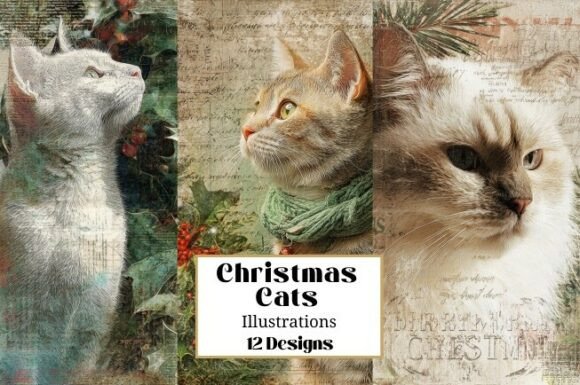
12 Christmas Cat Cats Illustrations
When I sit down to scope out a new client project, especially one with a seasonal or whimsical angle, my first question is always about emotional resonance. Does the visual asset feel alive? Does it connect instantly with the target audience without needing a caption to explain it? Recently, I was tasked with developing a brand identity and product line for a boutique handmade candle company launching a holiday collection. The brief was specific: cozy, approachable, slightly playful, but undeniably professional. They wanted to avoid the cliché of heavy, ornate Victorian Christmas tropes in favor of something more modern and relatable. This is where 12 Christmas Cat Cats Illustrations entered my workflow, and after a rigorous review process involving mockups, color testing, and layout experiments, I have some practical insights to share.
First Impressions and Visual Mood
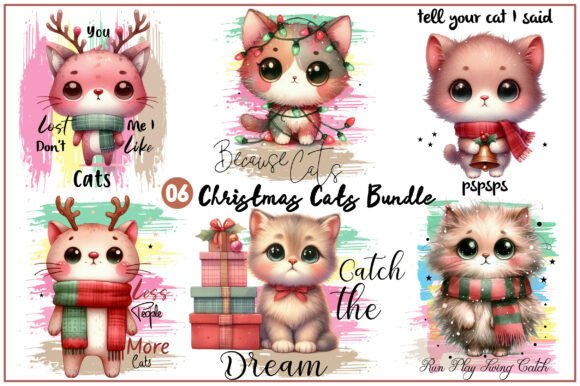
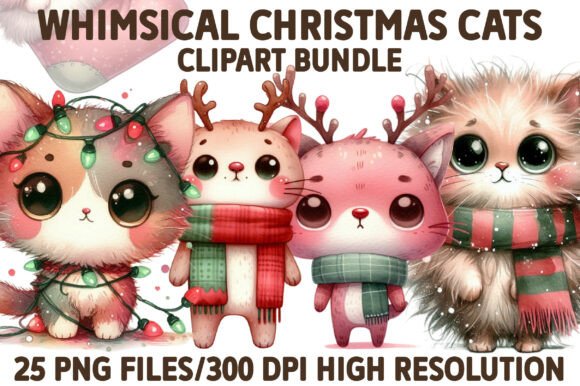
The immediate impression of this graphic design asset is one of warmth and charm. Unlike generic clipart that can feel sterile or overly rigid, these illustrations carry a distinct personality. The style leans towards a soft, illustrative aesthetic that feels hand-drawn yet polished enough for commercial use. For a designer, this balance is critical. If an illustration is too rough, it looks amateur; if it is too clean, it loses its soul. These cat characters strike that sweet spot.
In the context of our hypothetical candle brand, the mood fits perfectly. We are not selling luxury minimalism; we are selling comfort. The illustrations bring a sense of narrative to the page. You don’t just see a cat; you see a cat wearing a Santa hat, perhaps curled up next to a gift box. This storytelling element is what elevates a simple digital product into a cohesive brand identity. It invites the viewer in, creating an immediate emotional hook that is essential for social media graphics and marketing visuals.
Performance in Real Design Scenarios
As I moved these assets into actual design layouts, their versatility became apparent. Here is how they performed across various mediums:
- Packaging Design and Product Labels: This is arguably the strongest use case. When placed on kraft paper labels for candles or soap bars, the illustrations pop against the natural texture. They add a focal point that guides the eye without overwhelming the typography. For small business branding, this kind of detail signals care and attention to quality.
- Social Media and Digital Ads: In a crowded Instagram feed, static images need to stop the scroll. The vibrant colors and expressive poses of the cats work exceptionally well here. They serve as excellent anchors for Pinterest pins and Instagram posts, drawing the user’s eye before they read the overlay text.
- Merchandise and Print-on-Demand: I tested these designs on t-shirt mockups and tote bags. Because the lines are clear and the shapes are distinct, they translate well to sublimation printing and vinyl cutting. For Etsy sellers and print-on-demand entrepreneurs, this means fewer errors during production and a higher likelihood of customer satisfaction.
- Editorial and Web Design: On a blog post or website landing page, these illustrations break up text blocks effectively. They add visual rhythm to long-form content, keeping the reader engaged. They are particularly effective in web design headers or sidebars where space is limited but impact is needed.
Strategic Placement and Hierarchy
Not every placement is created equal. Understanding where these assets shine—and where they might struggle—is key to maintaining visual hierarchy.
Where They Work Best:
- Hero Graphics: Large layout areas allow the details of the illustrations to breathe. A full-width banner featuring one of the larger cat compositions creates an immediate statement piece.
- Decorative Accents: Using smaller elements from the bundle as corner ornaments or border details adds polish to invitations or flyers.
- Themed Collections: Since the set includes twelve distinct variations, they are perfect for creating a series. Think of a "Countdown to Christmas" campaign on social media, using one illustration per day.
Areas Requiring Caution:
Designers must be mindful of scale and context. In minimalist branding projects that rely on negative space and strict geometric forms, these organic, character-driven illustrations might feel out of place. Similarly, in professional corporate materials such as annual reports or legal documents, the whimsical nature of the cats could undermine the seriousness of the message. Additionally, when used at very small sizes, intricate details may blur. Always preview your designs at 100% zoom to ensure clarity.
Impact on Readability and Brand Trust
A common misconception is that illustrations distract from text. However, when used correctly, they enhance readability by providing visual breaks. The warm tones of the Christmas-themed cats complement traditional serif fonts, creating a classic holiday feel, while sans-serif fonts can modernize the look. Script fonts should be chosen carefully to ensure legibility over the busy backgrounds sometimes present in detailed illustrations.
From a psychological standpoint, cute imagery triggers positive associations. For a consumer browsing an online store, seeing friendly, festive characters can lower barriers to purchase. It makes the brand feel accessible and human. This is crucial for handmade businesses competing against mass-produced goods. The illustrations signal that there is a person behind the brand, fostering visual trust and recognition.
Practical Designer Notes for Commercial Use
Before integrating 12 Christmas Cat Cats Illustrations into a final deliverable, I recommend running through this checklist to ensure professional results:
- Black and White Test: Convert your design to grayscale. Do the illustrations still hold their shape? Do they provide enough contrast against the background? This helps verify that the design relies on form, not just color.
- Contrast Check: Preview the assets on both light and dark backgrounds. Some vector files may require outlining or color adjustment to remain visible on darker surfaces.
- File Format Inspection: Verify if you have received SVG or PNG formats. SVGs are ideal for scalable Cricut projects and precise editing, while high-resolution PNGs with transparency are better for compositing in Photoshop or Canva templates.
- Mockup Testing: Never judge a design asset solely on a white background. Place it on real-world mockups like mugs, stickers, or packaging boxes. This reveals how lighting and texture interact with the illustration.
- Licensing Confirmation: Most importantly, confirm the commercial license. Ensure you are permitted to use the asset for client work, merchandise, and unlimited prints. Different marketplaces have different rules, so read the fine print to protect your business.
In conclusion, 12 Christmas Cat Cats Illustrations is a robust and versatile design bundle that offers significant value for creative professionals. It bridges the gap between playful charm and professional execution, making it suitable for a wide range of creative marketplace products. Whether you are designing a sticker design for a local event or building a comprehensive holiday campaign, these assets provide a reliable foundation for engaging, emotionally resonant design work.